Entry · Ref DVQKUOA5
A Closer Look at Fotona 4D Laser Facial (TimeWalker) Technology in Encino, CA
- Posted
- 2026-10-22
- Last amended
- 2026-10-22
- Account
- @gregoryzpgb835
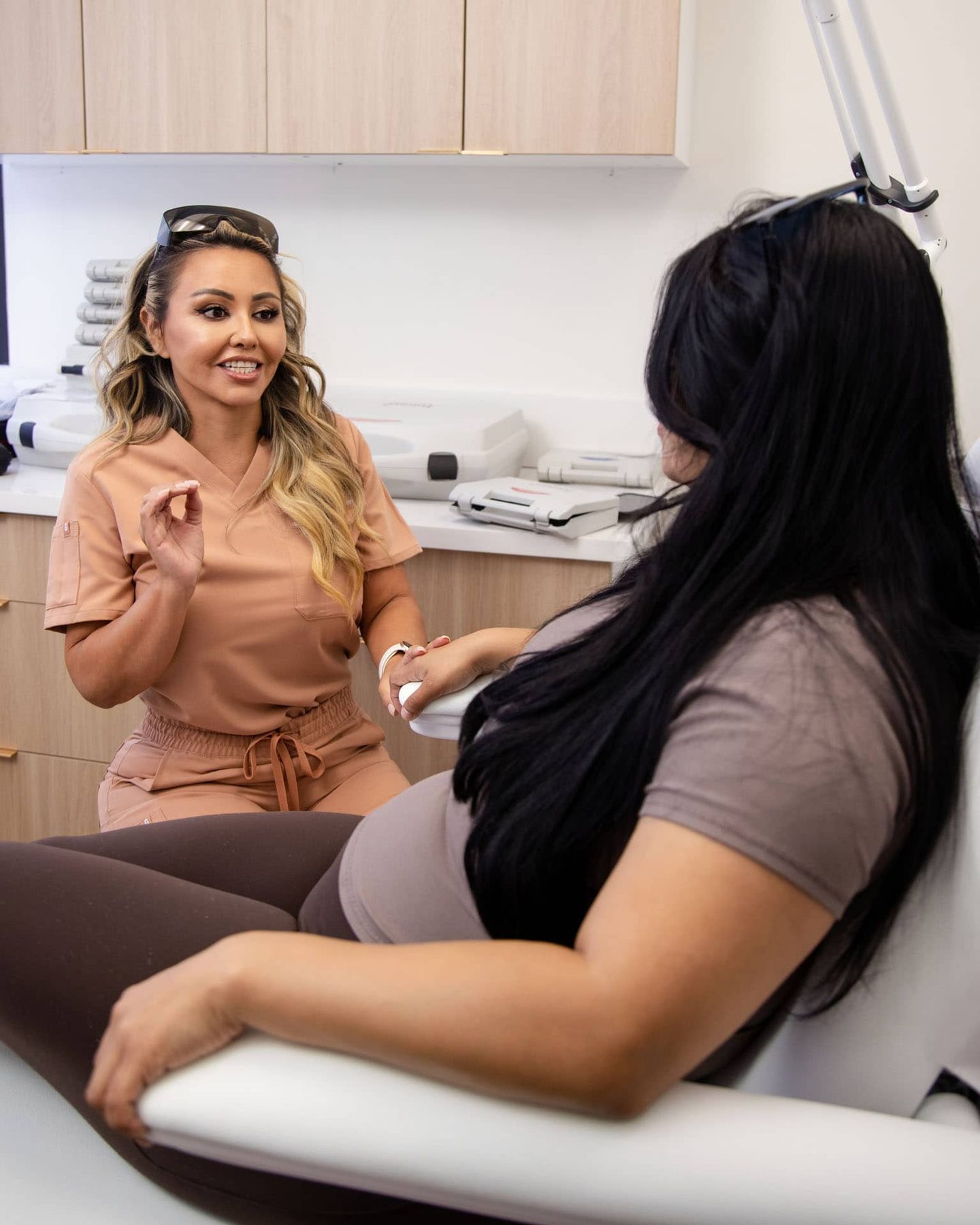
In a place like Encino, where bright sun, dry heat, long commutes, and year-round social calendars all leave their mark on the skin, interest in non-surgical facial rejuvenation tends to be high for good reason. People want visible improvement, but they do not always want the downtime, unpredictability, or commitment that can come with more aggressive procedures. That is where Fotona 4D and the TimeWalker platform have earned serious attention.
The name can sound a little opaque at first. Patients often hear “laser facial” and assume it means one thing, usually a peeling treatment that leaves skin red and flaky for days. Fotona 4D is not that simple. It is better understood as a multi-step laser rejuvenation approach that uses different modes and depths of energy delivery during the same session or treatment plan. The goal is not just to polish the surface, but to support tightening, texture refinement, and overall facial renewal from several angles.
For anyone researching a Fotona 4D Laser Facial (TimeWalker) in Encino, CA, the real question is not whether the technology sounds impressive. The better question is whether it makes sense for your skin, your concerns, your tolerance for downtime, and your expectations.
What makes Fotona 4D different from a standard laser facial
Most laser treatments are defined by a single main action. Some target pigment. Some focus on vascular redness. Some ablate the surface for stronger resurfacing. Some heat deeper tissue to trigger collagen remodeling. Fotona 4D is distinct because it combines several of those rejuvenation goals into a layered treatment approach.
The “4D” concept refers to four complementary treatment dimensions, each designed to work at a different level of the skin or soft tissue. Rather than relying on one aggressive pass, the treatment usually moves through multiple phases. One step may target tissue inside the mouth to support tightening around the perioral area and nasolabial folds. Another may gently heat deeper tissue from the outside to stimulate collagen remodeling. Another may address textural irregularities or superficial skin quality.
That combination is part of the appeal. A well-planned Fotona 4D session can address fine lines, early laxity, rough texture, enlarged pores, and general dullness without forcing every patient into a one-size-fits-all resurfacing experience.
It is also why good consultation matters. With a platform treatment like TimeWalker, outcomes depend heavily on settings, treatment sequencing, Fotona 4D Laser Facial (TimeWalker) Encino, CA and case selection. Two patients can both book “Fotona 4D” and receive meaningfully different treatments because their skin thickness, melanin level, sensitivity, and goals differ.
The TimeWalker platform, in plain language
TimeWalker is Fotona’s aesthetic platform that supports a range of laser-based procedures, including the 4D facial approach. It is not a single laser tip with a single purpose. It is a system that can deliver different treatment modes using distinct wavelengths and handpieces.
For patients, that technical flexibility translates into customization. For clinicians, it means they can adjust the session depending on whether the priority is tightening, resurfacing, pore refinement, or softening fine etched lines around the mouth and eyes.
One of the practical advantages of a platform like this is that treatment can be scaled. Someone in their late thirties with early skin laxity and mild sun damage might need a gentler collagen-stimulating plan. Someone with more visible creasing, lower cheek heaviness, or textural wear from years of sun exposure may benefit from a more assertive approach, still within a non-surgical framework.
That said, customization is only valuable when the provider knows how to use it. A powerful platform in inexperienced hands is not an advantage. It is just expensive equipment.
How the treatment usually works
Although protocols vary by office, Fotona 4D generally moves through several stages that work from the inside out and from deeper tissue to the skin surface.
A commonly discussed component is the intraoral tightening step, often associated with the SmoothLiftin concept. This part treats tissue inside the mouth, especially along the cheeks and around the lips. Patients are often surprised by this when they first hear about it, but the logic is sound. Aging around the lower face and mouth is not purely a surface issue. Treating from the inside can support collagen remodeling in a zone that is hard to reach with topical products and ordinary facials.
Another phase typically focuses on deeper bulk heating. The purpose here is to warm tissue enough to stimulate remodeling without creating an open wound or a dramatic peeling effect. This deeper heating is part of why many patients describe the experience as more about warmth than about “being lasered” in the dramatic sense.
A more targeted phase may then address focal imperfections such as textural irregularity or etched lines. Depending on the settings used, this can be the step that brings a sharper refinement effect over time.
The final phase often works more superficially to enhance skin polish and finish. This can leave the skin looking brighter and smoother in the short term while the deeper collagen response develops over the following weeks and months.
That timeline matters. Some people expect all laser results to appear immediately. With Fotona 4D, there can be an early post-treatment glow, but the tightening and remodeling effects are gradual. That is normal. Collagen does not rebuild on demand overnight.
What concerns it may help address
The best candidates are usually not looking for a surgical-level lift. They want improvement, not transformation. In practice, this technology is often considered for patients bothered by mild to moderate skin laxity, softening of the jawline, fine lines around the mouth, tired-looking texture, and an overall sense that the face looks less firm than it used to.
Encino patients often come in with a familiar combination of issues: cumulative UV exposure, dehydration from heat and indoor air, and subtle but progressive facial volume and elasticity changes. A laser-based tightening and resurfacing treatment can be useful here because it addresses quality and firmness together. Skin quality is easy to underestimate. When the skin surface is smoother, pores are less obvious, and fine lines are softened, the face often looks more rested even before dramatic tightening enters the picture.
Fotona 4D Laser Facial (TimeWalker) Encino, CAThe treatment can also appeal to patients who want to avoid injectables or surgery, or who simply want to complement those treatments. It is not unusual for someone who already uses neuromodulators or filler to seek a laser treatment because they realize volume and muscle movement are only part of the aging equation. Skin texture, elasticity, and creasing still need their own strategy.
Where it fits in relation to other aesthetic options
One of the more useful ways to think about Fotona 4D is to place it between a standard spa facial and a surgical facelift, not as a replacement for either. It occupies a middle space where patients can pursue meaningful, visible rejuvenation with lower downtime than more aggressive resurfacing and without the recovery of surgery.
Compared with light chemical peels or hydrating facials, it generally goes deeper and lasts longer, because it is trying to trigger a biologic response rather than simply remove dead surface cells or infuse temporary hydration. Compared with a fully ablative resurfacing laser, however, it is often more tolerable and socially easier to manage afterward.
Compared with radiofrequency microneedling, the distinction is subtler. Both aim to stimulate remodeling and improve texture and laxity. Some patients do better with one than the other depending on skin type, scar pattern, pigment risk, and tolerance for downtime. Fotona 4D can be attractive for people who want a non-needle option or who specifically like the combination of intraoral tightening and external rejuvenation. Radiofrequency microneedling may be favored in certain acne scar patterns or when a provider wants the mechanical effect of needle-based energy delivery.
This is where blanket statements do patients a disservice. The “best” device is often just the best one for a specific face, concern, and risk profile.
What treatment feels like in real life
Many patients arrive nervous because the word laser suggests burning, peeling, or significant pain. The reality is usually more manageable than that, though comfort varies with treatment intensity and personal sensitivity.
The internal treatment phase can feel unusual rather than painful, mostly because people are not accustomed to having laser energy delivered inside the mouth. The deeper heating phases are often described as warm, sometimes intensely warm in brief pulses. The more superficial refining step can create a prickly or snapping sensation depending on the settings.
Topical numbing may or may not be used depending on the protocol. Some offices rely on cooling, others on topical anesthetic, and some combine methods. There is no universal experience, which is another reason to ask exactly how a specific provider performs the treatment rather than assuming every Fotona 4D session is identical.
Immediately afterward, many patients look flushed, like they spent time in dry heat or had a brisk workout. That flushed look often settles within hours to a couple of days, depending on intensity. Mild swelling is possible, especially if the treatment is more assertive. Surface roughness can also show up temporarily if a textural pass was performed.
Downtime, social recovery, and what to expect afterward
This is one of the strongest reasons patients choose a Fotona 4D Laser Facial (TimeWalker) in Encino, CA. In a community where many people want results but cannot disappear for two weeks, social downtime matters almost as much as efficacy.
Recovery is usually measured in hours to a few days, not weeks, though this depends on settings and on whether treatment included stronger resurfacing elements. Some people return to work or social activity very quickly, especially if redness is mild and can be covered once the provider says makeup is appropriate. Others prefer a day or two of breathing room.
The more important point is that “little downtime” does not mean “no aftercare.” Skin still needs gentle treatment after laser sessions. Over-exfoliating, using active ingredients too soon, or spending time in strong sun can undermine recovery and increase irritation. In Southern California, where incidental UV exposure happens fast, post-treatment sun protection is not optional. Even a short midday drive or lunch outdoors can matter when skin is freshly treated.
Patients should also understand the difference between immediate and cumulative improvement. There is often a fresher look within days, partly from mild swelling and surface refinement. The more durable tightening and collagen-related changes usually unfold over weeks. For that reason, providers often recommend a series rather than a single treatment if the goal is meaningful structural improvement.
Who tends to be a good candidate
Good candidates usually share one trait: realistic expectations. They are looking for visible softening, tightening, and refinement, not a surgical result from a non-surgical device.
Patients with mild to moderate age-related changes often do especially well. The treatment tends to be less satisfying for someone with very heavy jowling, significant skin redundancy, or advanced laxity who would be better served by surgery. It can still improve skin quality in those cases, but it should not be oversold as a lifting procedure that can replace an operation.
Skin type also matters. Providers should assess pigment risk, history of melasma or post-inflammatory hyperpigmentation, active acne or rosacea flares, recent tanning, and any tendency toward abnormal scarring. The technology can often be adapted thoughtfully, but not every patient is ready for treatment at every moment.
The consultation should also cover medications and timing. If someone has an important event approaching, the provider needs to know. Even “minimal downtime” treatments can leave temporary redness or sensitivity, and no responsible clinician should promise event-perfect skin on an unrealistic timeline.
Questions worth asking during a consultation
A strong consultation is often more revealing than the marketing page. Patients do not need to know every technical specification, but they should leave with a clear sense of what is being treated, how aggressive the plan is, and what realistic outcomes look like.
Here are a few useful questions:
- Which concerns on my face are you targeting with Fotona 4D, and which concerns will it not address well?
- How many sessions do you typically recommend for someone with my degree of laxity and texture change?
- What kind of downtime should I expect based on the exact settings you plan to use?
- How do you adjust treatment for my skin type, sun exposure history, or pigment risk?
- What results should I expect at two weeks, two months, and after a full series?
Those questions tend to reveal whether the provider is thinking in a personalized, medically sound way or simply reciting a script.
Why local climate and lifestyle matter in Encino
Aesthetic medicine never happens in a vacuum. Encino’s environment affects skin, recovery, and maintenance. Sun exposure is the obvious factor, but it is not the only one. Dryness, heat, traffic stress, exercise habits, and time spent outdoors all shape how the skin ages and how it heals.
Patients in the San Fernando Valley often underestimate cumulative incidental sun exposure. A few minutes here and there adds up, especially for people driving in bright daylight, walking the dog, playing tennis or pickleball, hiking nearby trails, or sitting outside at lunch. That pattern can accelerate pigment irregularity, collagen breakdown, and textural wear even in people who do not think of themselves as “sun worshippers.”
This matters because a treatment like Fotona 4D works best when followed by sensible maintenance. If someone invests in collagen remodeling and then returns to inconsistent SPF use and frequent unprotected midday sun, results will not age gracefully. Good devices help, but habits still win in the long run.
The limits of the technology, which are worth stating plainly
There is a tendency in aesthetics to speak only in highlights. That is not helpful. Fotona 4D has strengths, but it also has limits.
It does not replace a facelift in someone with advanced lower-face laxity. It does not create volume where volume has been lost. It will not erase deep static folds the way marketing language sometimes implies. It may soften them, especially when tissue quality improves, but there are structural concerns that require other tools.
It also does not bypass the biology of aging. Results can be meaningful, but maintenance is usually part of the process. Some patients do a series and then periodic upkeep sessions. Others combine laser treatment with neuromodulators, conservative filler, skincare, or biostimulatory treatments. That does not mean the laser failed. It means facial aging is multifactorial.
Another limitation is that results are operator dependent. The same branded treatment name can produce very different outcomes from one office to the next. Experience, patient selection, and restraint matter as much as technology.
Pairing treatment with a sensible skincare routine
You do not need an elaborate ten-step regimen to support results. In fact, after laser work, simpler is often better. A good barrier-supporting moisturizer, a gentle cleanser, and daily broad-spectrum sun protection usually form the core of what matters most. Active ingredients such as retinoids, exfoliating acids, or strong vitamin C formulas may need to be paused before and after treatment based on provider guidance.
Over the years, one pattern shows up repeatedly in aesthetic practice: patients who chase procedures while neglecting daily UV protection get less out of every intervention. By contrast, patients who commit to consistent sunscreen and straightforward skincare often look better for longer, even when their in-office treatments are relatively modest.
That is especially relevant in Encino, where UV exposure is a near-constant variable. The best laser plan in the world cannot negotiate with the California sun.
Cost, value, and the question patients actually care about
Most people are not just asking, “Does it work?” They are asking whether it is worth the investment. That answer depends on expectations.
For the patient who wants a slight refresh before an event, there may be less expensive ways to get a short-term glow. For the patient who wants gradual tightening, improved skin quality, and a non-surgical strategy that fits into a working life, Fotona 4D can represent good value when performed well and with realistic goals.
Still, it is wise to think in terms of a treatment plan rather than a single-price headline. A lower quoted price does not mean much if it covers a weaker protocol or an inexperienced operator. A higher price is not automatically justified either. The meaningful questions are what is included, how many sessions are recommended, what kind of follow-up is provided, and whether the provider has a track record of matching treatment intensity to patient needs rather than selling the same package to everyone.
What a thoughtful decision looks like
A patient making a smart choice about a Fotona 4D Laser Facial (TimeWalker) in Encino, CA usually does three things. First, they evaluate their real goal. Is it glow, texture, tightening, or a combination? Second, they choose a provider based on judgment and experience, not just branding. Third, they accept that the best aesthetic outcomes often come from measured improvement rather than dramatic promises.
For the right candidate, Fotona 4D can be a very useful treatment. It offers a sophisticated middle ground for people who want more than a facial and less than surgery. It respects the fact that facial aging is layered, not superficial, and that the best rejuvenation plans usually address tissue quality, support structure, and skin finish together.
That nuanced approach is exactly why the treatment has remained relevant. Not because it claims to do everything, but because, in skilled hands, it can do several important things well.
OMNIA Wellness Center
16430 Ventura Blvd Ste 207, Encino, CA 91436
Phone: +1 818-386-8511
FAQ About Fotona 4D Laser Facial (TimeWalker) Encino, CA
What is a Fotona laser good for?
Fotona lasers support several different aesthetic protocols. The Fotona 4D facial uses two wavelengths and four treatment modes to address concerns such as fine lines, skin texture, and mild laxity. OMNIA Wellness Center offers the TimeWalker facial with an individual consultation. Suitability and likely improvement depend on the person's skin and goals; results are not guaranteed, and this treatment does not reproduce a surgical facelift.
How much does a Fotona laser treatment cost?
The cost depends on the treatment protocol, areas treated, number of sessions, and provider's assessment. Ask OMNIA Wellness Center for a current written quote that explains what is included, whether follow-up is included, and any proposed package terms. An individualized estimate is more useful than assuming that one advertised price applies to every facial treatment.
How much downtime is there after a Fotona laser procedure?
Recovery varies with the specific protocol and intensity. Fotona describes its 4D facial as having little to no downtime, but temporary redness or sensitivity can occur, and a stronger surface treatment can require more recovery. Ask the treating clinician what to expect from the planned settings, how to care for the skin afterward, and when to contact the clinic with concerns.