Entry · Ref MTTTTF8O
Fotona 4D Laser Facial (TimeWalker) Encino, CA: Common Myths Debunked
- Posted
- 2026-10-22
- Last amended
- 2026-10-22
- Account
- @gregoryzpgb835
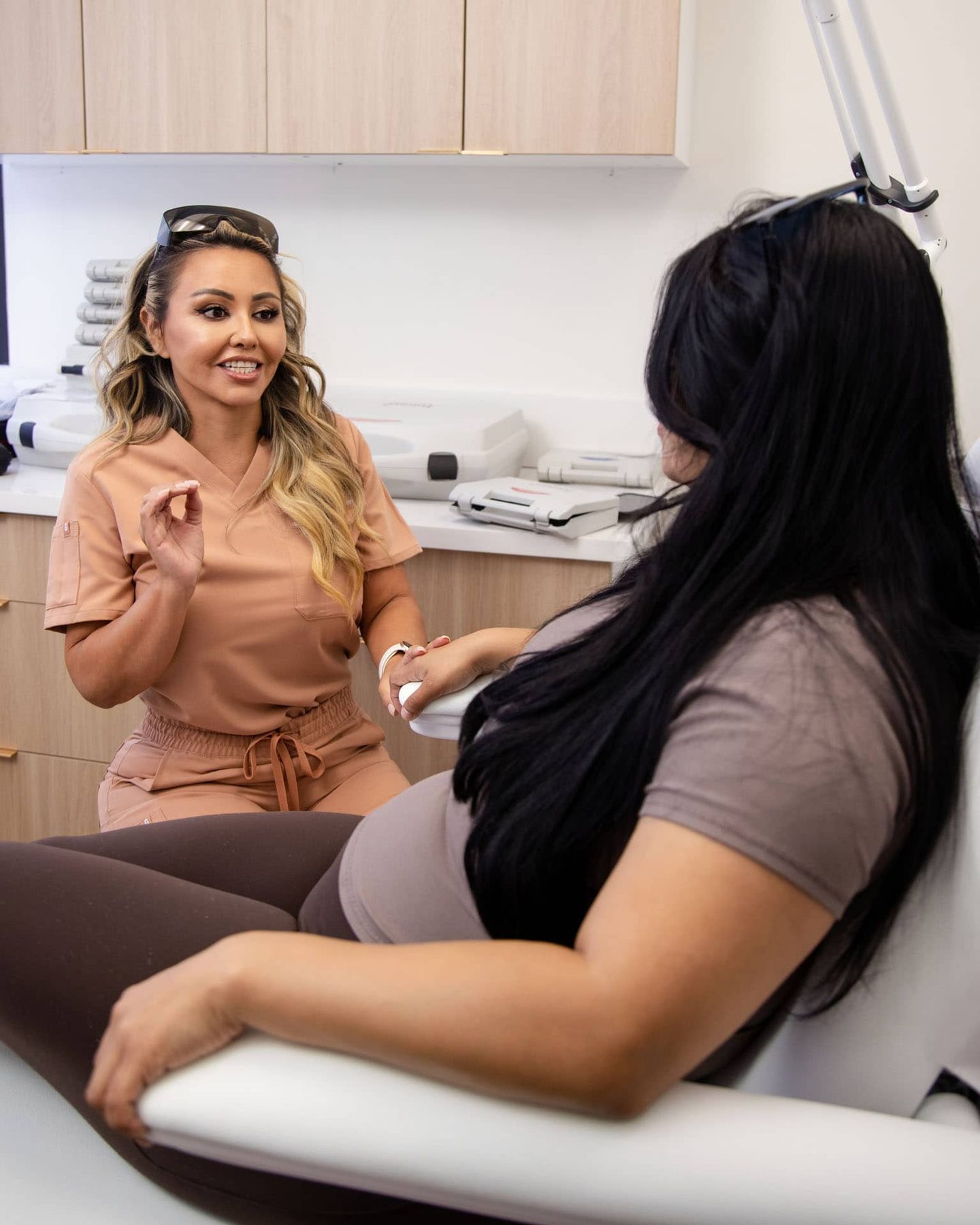
Interest in non-surgical facial rejuvenation tends to spike for the same reason every year in Encino. People want visible improvement, but they do not want to disappear from work, family events, school pickup, social plans, or camera-ready weekends for two weeks while their skin peels. That is exactly where confusion starts. Treatments get grouped together under the broad label of “laser facial,” and patients understandably assume they all work the same way, feel the same way, and require the same recovery.
They do not.
The Fotona 4D Laser Facial, often associated with the TimeWalker platform, has built a strong following because it approaches facial rejuvenation differently from older, more aggressive resurfacing treatments. Yet for all the name recognition, a surprising number of myths still shape expectations. Some people come in convinced it is unbearably painful. Others assume it is a gimmick with no meaningful lifting effect. Just as often, I hear the opposite problem: patients think one session will erase a decade of sun damage, laxity, etched lines, and texture changes in a single afternoon.
Neither extreme is accurate.
If you are researching a Fotona 4D Laser Facial (TimeWalker) Encino, CA, it helps to separate marketing language from what actually happens in real practice. The treatment has real strengths. It also has limits. Knowing both makes for better decisions and better results.
What Fotona 4D actually is, without the hype
A lot of misunderstanding comes from the name. “4D” sounds futuristic, but in practical terms it refers to a multi-step treatment approach that works on different tissue depths and skin concerns in the same session. Instead of relying on one pass with one objective, the provider can combine modes that target tissue tightening, collagen stimulation, texture refinement, and superficial polishing.
One distinctive feature is the intraoral portion. That means part of the treatment is performed inside the mouth along the cheeks to deliver heat to tissue in a way that supports tightening from within. For many patients, that is the part that surprises them most, not because it is alarming, but because they did not realize modern facial rejuvenation could include internal tissue treatment without surgery.
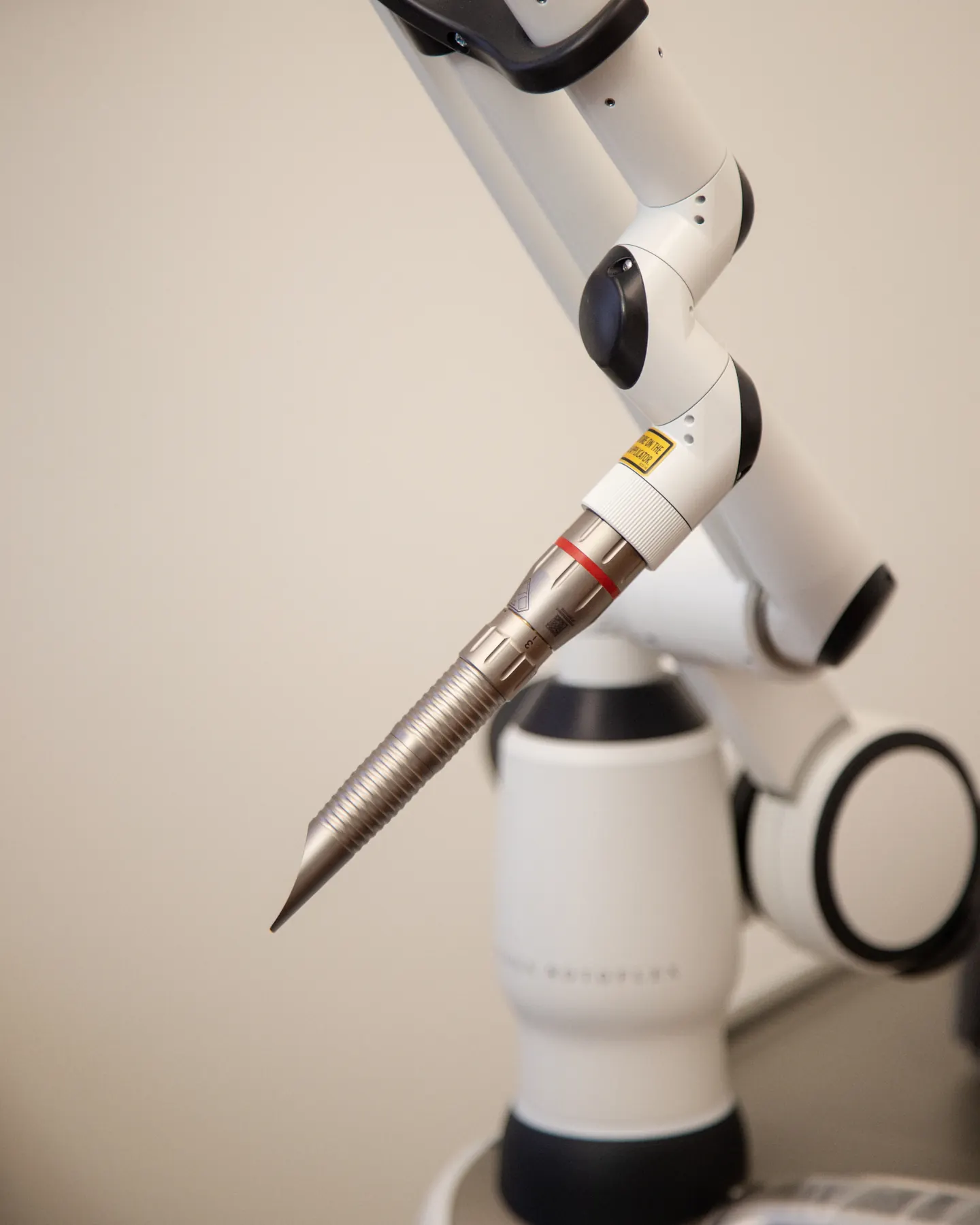
The platform itself matters too. TimeWalker is part of the broader Fotona family and is known for versatility. A skilled provider can tailor settings based on age, skin condition, tolerance, downtime expectations, and whether the main complaint is lower-face laxity, smile lines, rough texture, crepey skin, or a dull overall appearance.
That last point is where results often live or die. The machine matters, but the judgment behind it matters more. Two people can receive a “Fotona 4D” treatment and have very different experiences depending on settings, sequence, tissue response, and whether their concerns were realistic to begin with.
Myth: it is just a fancy facial
This is probably the most common misconception, especially among patients who hear the word “facial” and picture a spa treatment with steam, exfoliation, and a nice glow for a day or two.
A Fotona 4D treatment is not that.
Yes, many patients do leave with brighter-looking skin. Yes, there is often a polished, refreshed quality after treatment. But beneath the surface, the real aim is tissue remodeling. The thermal effect is intended to stimulate collagen and improve structural support over time. That is a very different category from a hydrating facial or enzyme peel.
The confusion is understandable because med spas and aesthetic clinics often use “facial” as a softer entry point in consumer language. It sounds approachable. It sounds less intimidating than “laser-based non-surgical rejuvenation.” But patients should not mistake friendly branding for superficial action. This is a medical aesthetic procedure, and it should be treated with that level of seriousness.
In practice, I have seen this myth create two opposite problems. The first is underestimating the treatment and booking it casually the day before a major event without understanding how their skin typically reacts. The second is dismissing it altogether because it sounds too mild to matter. Both assumptions miss the mark.
Myth: the treatment is unbearably painful
Pain is personal, so absolute statements rarely help. What one patient calls “nothing” another describes as “spicy.” Still, the idea that Fotona 4D is automatically brutal does not line up with what most people experience.
For many patients, the sensation is more accurately described as heat, prickling, or short bursts of snapping warmth rather than sharp, sustained pain. The intraoral step often feels unusual more than painful. The superficial polishing phase can feel more intense than the deeper tightening phases, depending on settings and individual sensitivity.
Comfort also depends on several variables. Fotona 4D Laser Facial (TimeWalker) Encino, CA Skin barrier condition matters. Recent retinoid use matters. Anxiety matters. So does the provider’s pacing and willingness to adjust when needed. A person who comes in sunburned, sleep-deprived, dehydrated, and worried will often perceive treatment very differently from someone whose skin is calm and who knows what to expect.
Some offices use topical numbing depending on the protocol and the patient. Others may not find it necessary for every step. Either way, a thoughtful consultation should address comfort in practical terms instead of dismissing the question. Patients appreciate honesty. “You may feel warmth and brief zaps, but most people tolerate it well” is more useful than promising it is painless or warning that it is terrible.
The better way to think about discomfort is this: it is generally manageable, but it is not the same as lying under a warm blanket while someone massages your face.
Myth: there is zero downtime, so you can do it anytime
This one sounds harmless, but it causes plenty of scheduling regret.
Many people are able to return to normal activities quickly after a Fotona 4D Laser Facial (TimeWalker) Encino, CA session. That does not mean every face looks event-ready the same day. Redness is common. Mild swelling can happen, especially in more reactive patients or when stronger settings are used. The skin may feel warm, tight, or slightly rough for a few days. Makeup application can be affected if the superficial layer is a little dry or textured afterward.
That is still very different from deeper ablative resurfacing, where social downtime can be much longer. But “minimal downtime” should not be translated into “no visible evidence whatsoever.”
I usually tell patients to build in a little breathing room before an important event. If someone has a wedding, high-definition photo shoot, television appearance, or reunion, it is smarter to schedule treatment at least several days in advance, and sometimes longer, depending on the protocol and how their skin behaves. That extra cushion lowers stress and lets any transient redness settle.
People with sensitive skin, rosacea, active inflammation, or a history of post-treatment swelling should be even more conservative with timing. A treatment can still be appropriate, but casual last-minute scheduling is not always the wise move.
Myth: one session is enough for everyone
This myth persists because before-and-after photos compress time. A patient sees a result image and naturally assumes it happened quickly. Sometimes there is an early improvement after one session, particularly in glow, texture, and a subtle tightening effect. But the more meaningful changes from collagen remodeling often require a series and patience.
A person in their thirties with mild early laxity and good skin quality may be pleased after fewer sessions than someone in their fifties with deeper folds, significant sun exposure, volume loss, and a long history of collagen decline. Those are not equivalent starting points.
There is also a difference between “I see a change” and “I reached my goal.” The first may happen relatively soon. The second often takes strategy. Some patients do best with a series spaced over several weeks, followed by maintenance treatments. Others may combine laser work with neuromodulators, filler, biostimulatory treatments, microneedling, or skincare to address concerns the laser alone cannot fully solve.
That does not diminish the value of Fotona 4D. It simply puts it in the right lane. It can produce impressive improvement, but it is not magic, and it should not be sold as such.
Myth: it replaces a surgical facelift
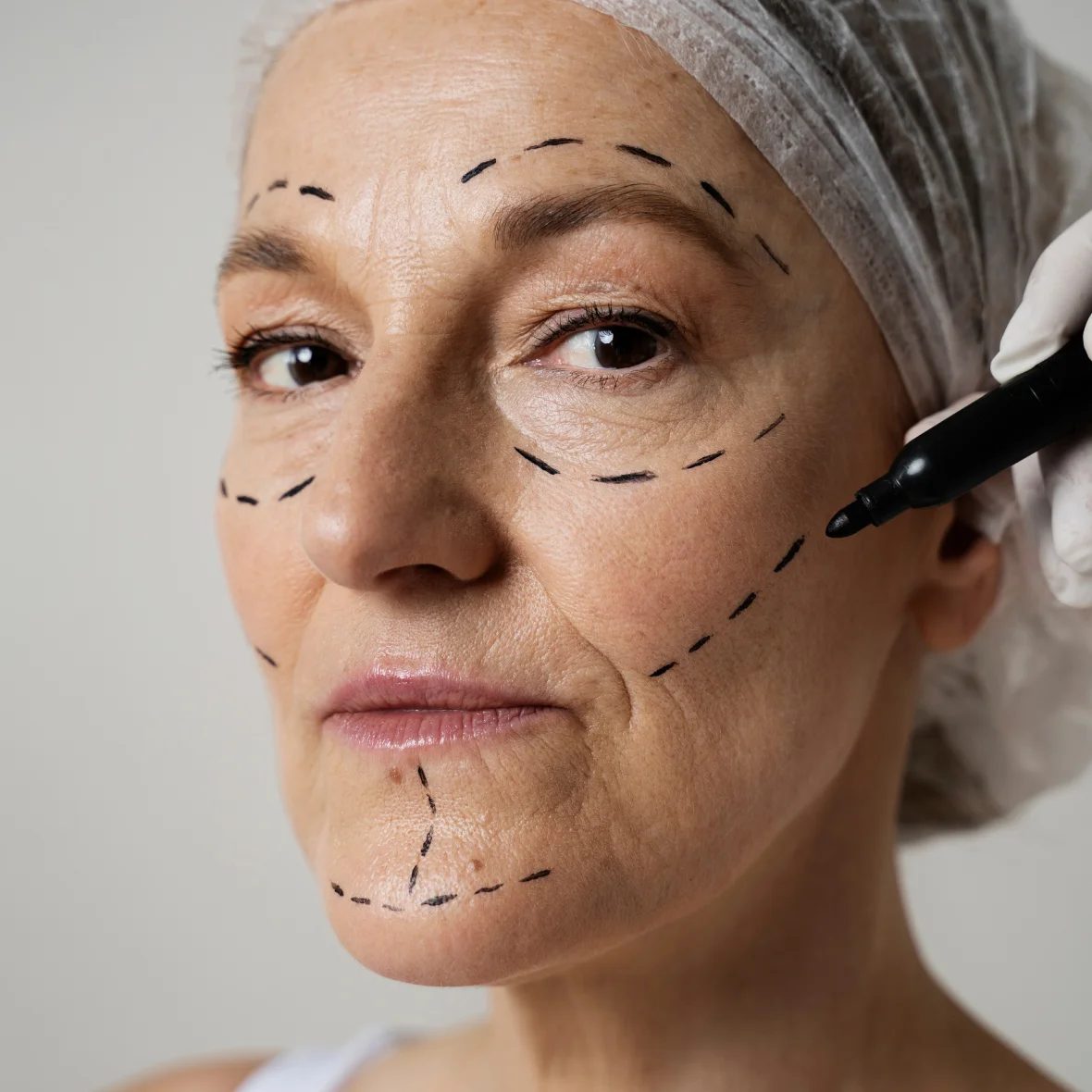
This is where careful language matters. Non-surgical skin tightening can absolutely improve mild to moderate laxity. It can refine the jawline to a degree, soften folds, and give the face a firmer, fresher look. But if someone has significant jowling, heavy neck skin, or more advanced structural descent, a laser treatment is not going to reproduce the effect of surgery.
Patients are often relieved when this is explained clearly. Unrealistic hope is exhausting. Most people do not need inflated promises. They need honest mapping of what is possible.
The sweet spot for Fotona 4D tends to include patients who want visible rejuvenation without surgery, who are not ready for a facelift, who are maintaining prior aesthetic work, or who want to improve skin quality and mild laxity at the same time. It can also be appealing to people who dislike the idea of injectables as their only option and want collagen-focused treatment.
But if a patient’s true goal is dramatic repositioning of descended tissue, there is no advantage in pretending otherwise. Good aesthetic care sometimes means steering a person away from the wrong treatment, even if they arrived asking for it by name.
Myth: it is unsafe for darker skin tones
This one deserves nuance. Laser safety depends on wavelength, settings, indication, skin preparation, recent sun exposure, and provider expertise. It is not responsible to say a treatment is universally safe for every skin tone in every context. It is just as irresponsible to claim that patients with more melanin should avoid laser altogether.
In the real world, candidacy is individualized. Some modes and settings may be appropriate where others are not. A thorough history matters. So does an honest conversation about pigmentation risk, especially for anyone with melasma, post-inflammatory hyperpigmentation, or a tendency to mark after irritation.
What experienced clinicians do well is distinguish between “possible with the right approach” and “not ideal today for this skin condition.” For example, a patient who has a deeper complexion and recent sun exposure after a long summer weekend in the Valley may need to postpone treatment, not because their baseline skin tone excludes them, but because the current skin state increases risk.
This is exactly why consultation should never feel rushed. If you are seeking a Fotona 4D Laser Facial (TimeWalker) Encino, CA, ask how your skin type affects treatment planning. A strong answer should sound specific, not generic.
Myth: it works only for wrinkles
Wrinkles are only part of the story. One reason patients like this treatment is that it can address several visible complaints in one plan. Fine lines may improve, but so can texture, tone, mild laxity, pore appearance, and that tired, flat quality skin gets when collagen support starts to thin.
That said, not every concern improves equally. If deep pigment is the main issue, another treatment may be better. If volume loss in the cheeks is making the face look hollow, laser tightening alone will not replace volume. If broken capillaries are the central complaint, a vascular-specific approach may make more sense. The best outcomes happen when the primary problem is identified correctly instead of trying to use one device for every cosmetic concern on the face.
I have seen patients happiest when they go in wanting overall quality improvement rather than one dramatic fix. Their comments tend to be practical: makeup sits better, the lower face looks less tired, the skin feels denser, the smile lines look softer, and they look rested without friends being able to pinpoint why.
That is often the hallmark of a good non-surgical result. It reads as healthier, not “done.”
Where expectations often go wrong
The biggest mismatch usually comes from confusing improvement with transformation. A patient in her early forties with mild cheek laxity, some perioral lines, and uneven texture may see genuinely satisfying changes after a thoughtful series. A patient in her sixties with heavy lower-face descent and long-standing etched lines may still improve, but the endpoint will be different.
Another problem is assuming collagen stimulation is immediate. Some aspects of treatment do create an early tightened look from tissue contraction and post-treatment swelling, but the more durable changes unfold over time. That delayed improvement is part of the appeal, but it requires patience. People accustomed to the instant effect of filler sometimes need to recalibrate.
Season also matters more than many realize. Encino patients often schedule around travel, intense sun exposure, and social calendars. Someone planning poolside weekends, hiking in direct sun, and outdoor sports needs stricter aftercare discipline than someone whose routine is mostly indoors. A technically good treatment can be undermined by poor timing and careless sun behavior afterward.
The consultation questions that actually matter
Fancy branding can distract from basic due diligence. If you are considering this treatment, the smartest move is to ask practical questions about candidacy, settings, downtime, and treatment goals.
A short list of worthwhile questions includes:
- Which concerns on my face are you targeting with this treatment specifically?
- How many sessions do you expect I may need for my starting point?
- What should I realistically expect in the first week, and after a series?
- How does my skin type affect risk, settings, or aftercare?
- What alternatives would you suggest if my main goal is more lifting or more pigment correction?
These questions do two things. They reveal whether the provider understands the treatment beyond the brochure, and they force the conversation toward outcome planning rather than vague enthusiasm.
What recovery usually looks like in real life
For most patients, recovery is straightforward, but “straightforward” is not identical to “invisible.” You may leave a bit pink. You may feel heat for a few hours. The skin can feel tighter or drier over the next several days. Some patients notice faint roughness or a lightly sandpapery feel before the skin looks smoother. A small subset swell more than expected, especially around the eyes or cheeks, then settle quickly.
Aftercare tends to be simple, and simple routines work best. Gentle cleansing, bland moisturizer, sun protection, and temporary avoidance of irritating actives are usually more helpful than piling on ten products out of nervousness. Over-treating the skin after laser is a common mistake. Patients mean well, but skin that has just undergone controlled thermal stimulation usually prefers calm, not experimentation.
Here is where lifestyle becomes surprisingly relevant. Someone who hydrates well, avoids heat exposure immediately afterward, skips hard workouts for the recommended window, and takes sun protection seriously Fotona 4D Laser Facial (TimeWalker) Encino, CA generally glides through recovery better than someone who gets treatment at lunch and heads straight to a hot yoga class.
Why some patients love it and others feel underwhelmed
When patients rave about Fotona 4D, they are usually describing one of three things: a fresher overall look, skin that feels firmer over time, or the satisfaction of improvement without major interruption to life. For busy professionals, parents, and people who are not interested in surgery, that combination can be very appealing.
When patients feel underwhelmed, the reason is often not that the treatment failed. More often, the treatment was mismatched to the goal. If a patient wanted substantial lifting, aggressive correction of deep etched lines, or replacement of lost facial volume, the result may feel too subtle because those issues call for a broader plan.
That is not a flaw unique to Fotona. It is true across aesthetics. The wrong tool, even used well, will disappoint. The right tool, used for the right problem, tends to earn loyalty.
The local factor in Encino
Encino patients tend to be savvy. Many have tried skincare, peels, microneedling, injectables, or prior laser treatments before they start asking about TimeWalker. They are not looking for vague promises. They want to know how this fits into an existing routine and whether it is worth the appointment time, the cost, and the visible recovery.
That practical mindset is healthy. In a place where appearance matters but downtime is hard to tolerate, the Fotona 4D Laser Facial (TimeWalker) Encino, CA conversation should center on fit. Not trendiness, not fear, and not miracle claims. Fit.
For the right candidate, it can be a smart middle path between light-touch maintenance treatments and more invasive procedures. It can refresh the skin, support collagen, and create noticeable refinement with relatively manageable recovery. For the wrong candidate, it can still do something, but “something” is not the same as “enough.”
The myths tend to fall away once that distinction is clear. It is not just a facial. It is not a facelift. It is not pain-free for every person, and it is not intolerable for most. It is not magic in one visit, and it is not pointless either. It is a legitimate, versatile treatment whose value depends on honest assessment, skilled execution, and expectations anchored in reality.
That may not be the flashiest message, but it is the one that leads to better outcomes, and fewer regrets.
OMNIA Wellness Center
16430 Ventura Blvd Ste 207, Encino, CA 91436
Phone: +1 818-386-8511
FAQ About Fotona 4D Laser Facial (TimeWalker) Encino, CA
What is a Fotona laser good for?
Fotona lasers support several different aesthetic protocols. The Fotona 4D facial uses two wavelengths and four treatment modes to address concerns such as fine lines, skin texture, and mild laxity. OMNIA Wellness Center offers the TimeWalker facial with an individual consultation. Suitability and likely improvement depend on the person's skin and goals; results are not guaranteed, and this treatment does not reproduce a surgical facelift.
How much does a Fotona laser treatment cost?
The cost depends on the treatment protocol, areas treated, number of sessions, and provider's assessment. Ask OMNIA Wellness Center for a current written quote that explains what is included, whether follow-up is included, and any proposed package terms. An individualized estimate is more useful than assuming that one advertised price applies to every facial treatment.
How much downtime is there after a Fotona laser procedure?
Recovery varies with the specific protocol and intensity. Fotona describes its 4D facial as having little to no downtime, but temporary redness or sensitivity can occur, and a stronger surface treatment can require more recovery. Ask the treating clinician what to expect from the planned settings, how to care for the skin afterward, and when to contact the clinic with concerns.